
Home Automation System 101: Everything You Need to Know
Various techs can simplify your home life, including the home automation system. People argue that home automation is no longer a thing of the future. It is available to everyone right now. Home automation systems are becoming more and more popular as people become more interested in the “smart home” lifestyle. But what is a home automation system, and how does it work exactly? What do you need to know before you buy one? In this blog post, we will answer all of your questions about home automation systems and help you decide if one is right for you.
What Is Home Automation System?
 A home automation system is a network of devices connected wirelessly or through the internet. You can control these devices by a smartphone, tablet, or computer.
The main goal of a home automation system is to make your life easier and more convenient by automating tasks that you would typically have to do manually. Also, home automation systems can improve your home’s security by allowing you to monitor and control your home from anywhere in the world.
How Does It Work?
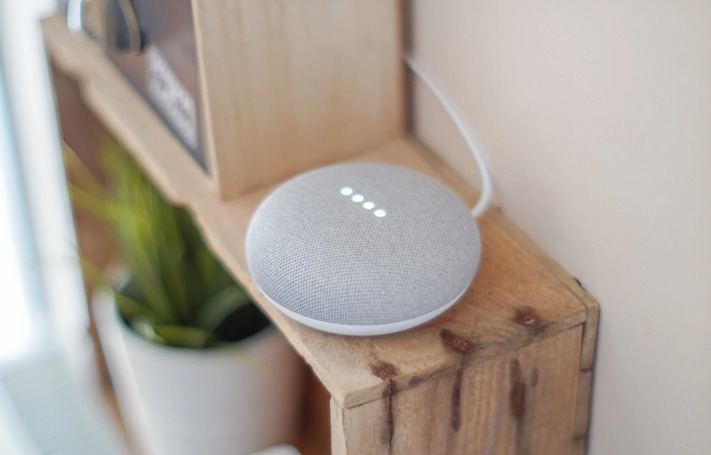
A home automation system typically consists of three parts. First of all, you need the hardware, including the devices you want to control. These devices can be anything from your lights and appliances to your security system and thermostat. The second part is the software, which allows you to control all of the devices in your system. The software can be a smartphone app, a web-based interface, or even a voice-activated assistant like Amazon Echo. The third part is the network that connects all devices and allows them to communicate with each other. It can be a wired network like Ethernet or a wireless network like Wi-Fi.
Top Home Appliances in Home Automation System
 Now that you know the basics of how a home automation system works let’s look at some of the most popular devices you can control with one. One of the most popular devices to manage with a home automation system is the thermostat. You can program your thermostat to turn on and off at certain times of the day or even adjust the temperature based on whether anyone is home.
Another popular device to control with a home automation system is the security system. You can set up your security system to send you alerts if there is any activity at your home, and you can even monitor your home from anywhere in the world with a security camera. Aside from that, a motion detector is something that many homeowners install in their home automation system.
Moreover, many people use home automation systems to control their lights. You can program your lights to turn on and off at certain times or even dim them when you want to create a romantic atmosphere. And, if you have smart bulbs, you can even change the color of your lights with some home automation systems.
In summary, you can use a home automation …

 No matter how much you love a patterned duvet cover, it’s time to let go of the one that’s been lurking in your linen closet for years. Wash sheets at least once a week, and replace them every few months if they’re starting to show signs of wear.
 One of the simplest ways to make your bedroom feel more relaxing is to bring in an aromatherapy candle. You can select a scent that has a calming effect on you or one that’s known to help you sleep better. For example, lavender is often used to promote sleep because it has a soothing smell.
 The most important reason to have a water treatment system in your home is to protect your drinking water. Municipal water supplies are not always safe and can contain harmful bacteria, parasites, and toxins.
 Another great benefit of having a water treatment system installed in the home is saving you money. Water filters are inexpensive to purchase, especially considering how much they will help reduce household costs.
 Another benefit of having a home water treatment system is preventing skin irritation. Some people are sensitive to the chemicals found in tap water, especially chlorine. These chemicals may cause an uncomfortable tingling or burning sensation on their skin after showering with regular tap water. With a good filtration system installed into your pipes, these harmful chemicals will be removed, preventing any skin irritation from occurring.
 The first type of mortgage is conventional. Conventional mortgages are easy to obtain and allow for lower interest rates, but they require that borrowers meet specific credit criteria to qualify for them. These loans typically have higher closing costs than FHA or VA loans do. A 30-year fixed-rate loan with a 20% down payment is an example of a conventional mortgage. Refinancing your home with a traditional loan is a good idea if you have built up some equity in your property and can get a lower interest rate than you are currently paying on your mortgage. It will save you money over the life of the loan.
 First, the pump should be at least 10 feet below ground level to prevent contamination from surface sources such as animal waste and other contaminants. This will ensure that the water is safe for drinking.
 We already know that tiny creatures live in water, and sometimes these creatures can cause health problems. You should test for bacteria and microbes living in your well as this could contaminate the water you are drinking. There are many different ways to do this, but one of the most common is using a kit from a local hardware store.
 If your house doesn’t have a perfect balance, the energy that flows inside the rooms and areas will not be of a kind one. The Chinese believe in Feng Shui, and they have a way to let good energy flow in and out of the building, so why don’t you have a bit of Feng Shui applied at your home?
 With no wars or diseases, people have become comfortable and broody to the point they breed like rabbits and produce more and more offspring around the clock; just take a look at China and India.
 A stock market investment needs to be timed perfectly, and you will have no control over the economy, whereas, with real estate, it’s a different ballgame altogether.


 We all know the expression “Tidy Room, Clean Mind.” This applies to your
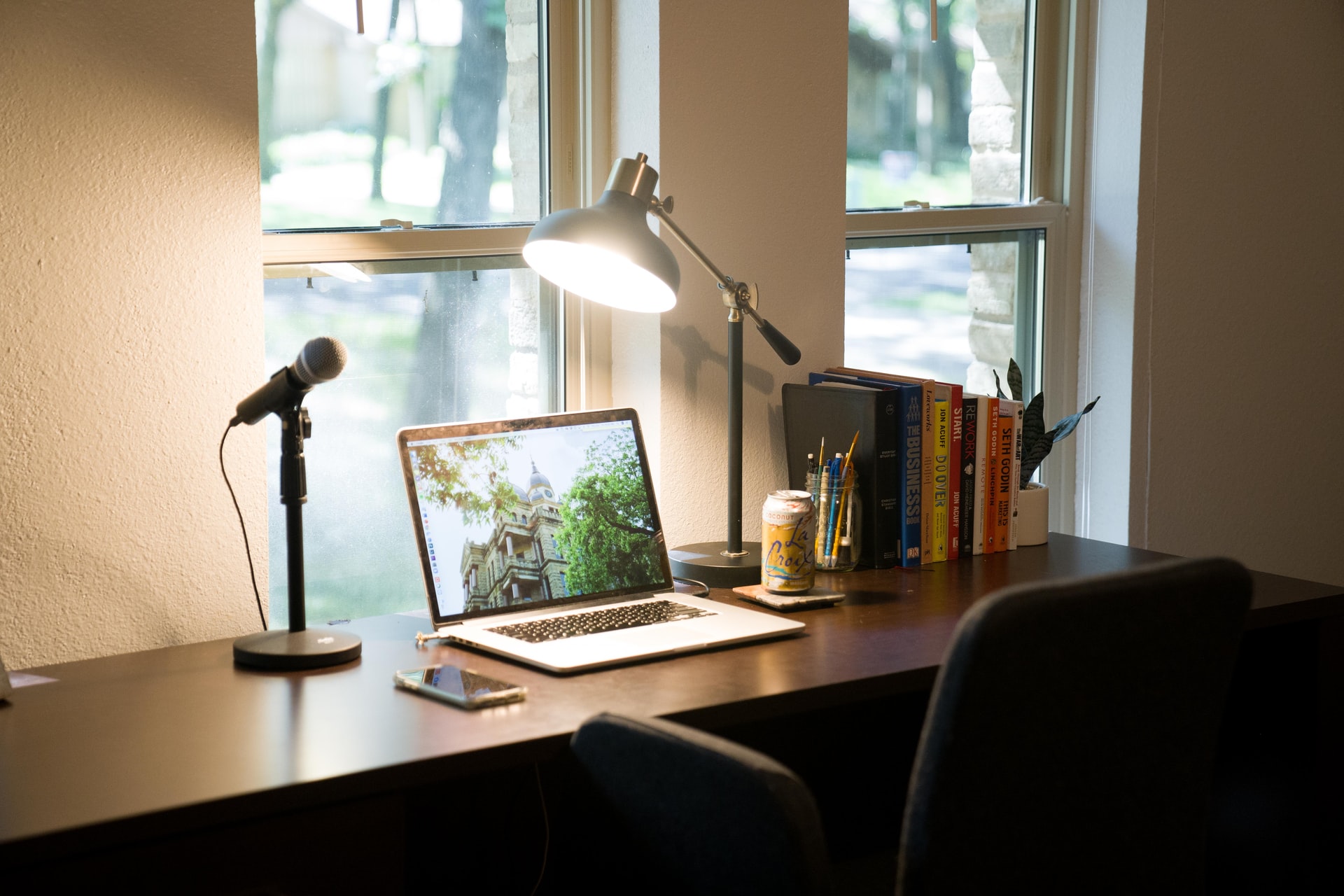
 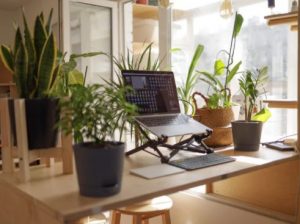 It is a good idea to get rid of unnecessary things in your home office. Natural decorations can be used to improve the environment. You have the power to transform space and take responsibility for your environment beyond work. Plants can even improve your mental health. While it is impossible to work remotely during a crisis, we can manage our emotions while at work. When we become distracted by external matters and get bogged down with tasks, we lose sight of what we can accomplish. It’s a great way to visualize your work and stay motivated. Spending hours in front of a computer screen can harm your physical health. If the lighting is incorrect, it can lead to headaches, migraines, fatigue, and even depression.