
How Spa-Inspired Bathrooms Elevate Everyday Living
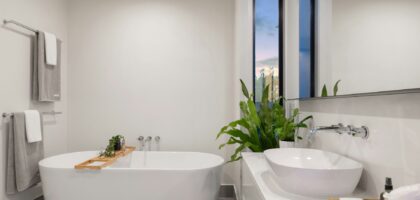
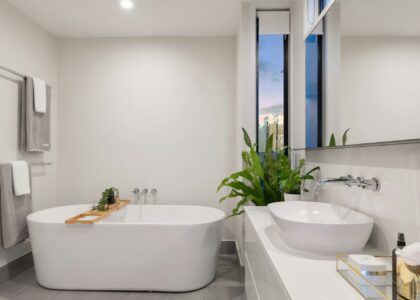
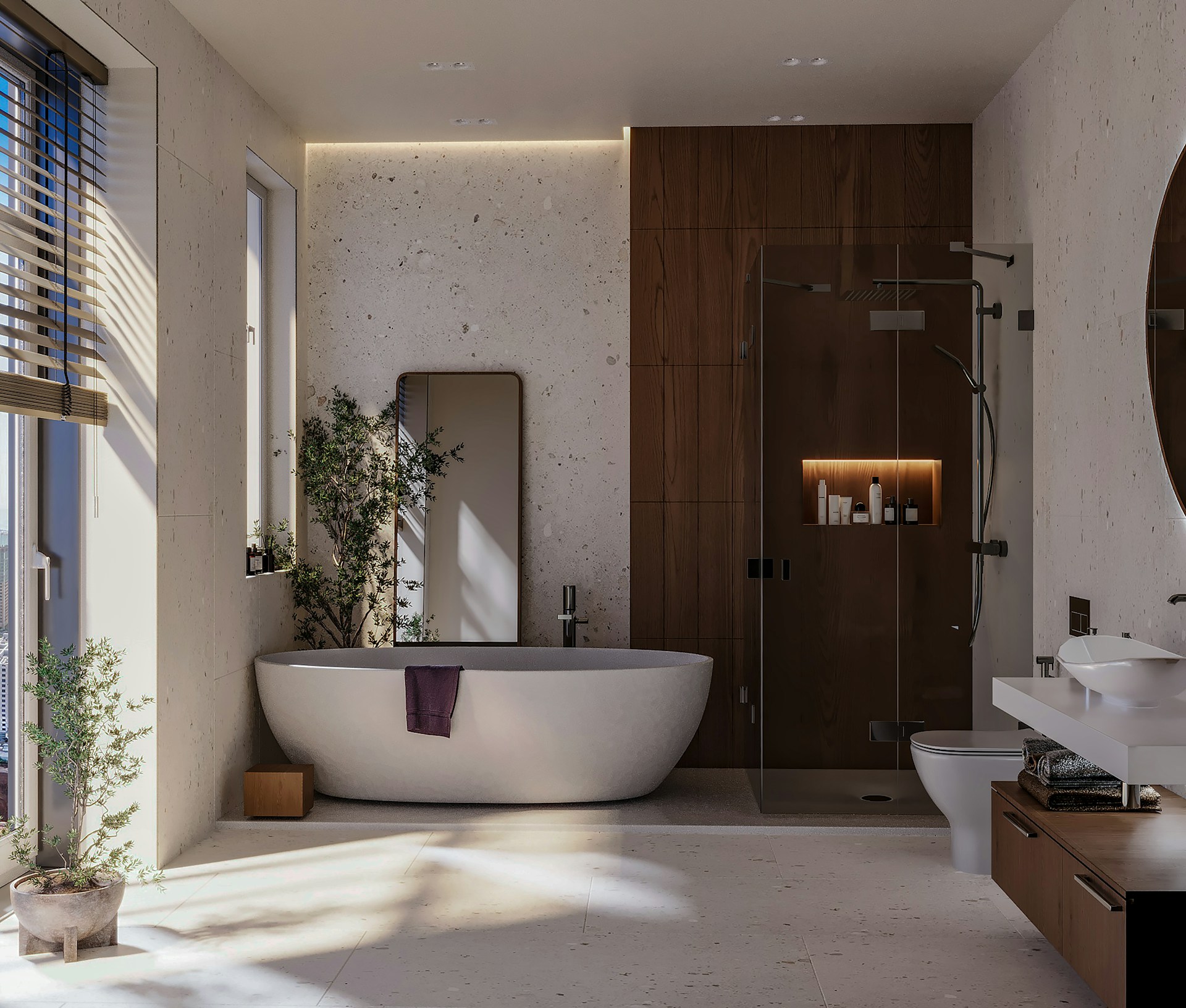
Bathrooms have evolved far beyond their traditional purpose. Today, they are designed to provide comfort, relaxation, and a break from the demands of everyday life. Many homeowners are embracing spa-inspired bathrooms because these spaces combine practical features with calming design elements. Natural materials, soft lighting, organized layouts, and high-quality fixtures work together to create an environment that feels peaceful without sacrificing functionality. Unlike luxury hotel spas that are visited occasionally, a spa-inspired bathroom brings that sense of comfort into daily routines. Incorporating natural materials, light, and air can help transform a bathroom into a personal oasis, reflecting the biophilic design principles highlighted by jolie.de.
Creating a Relaxing Atmosphere
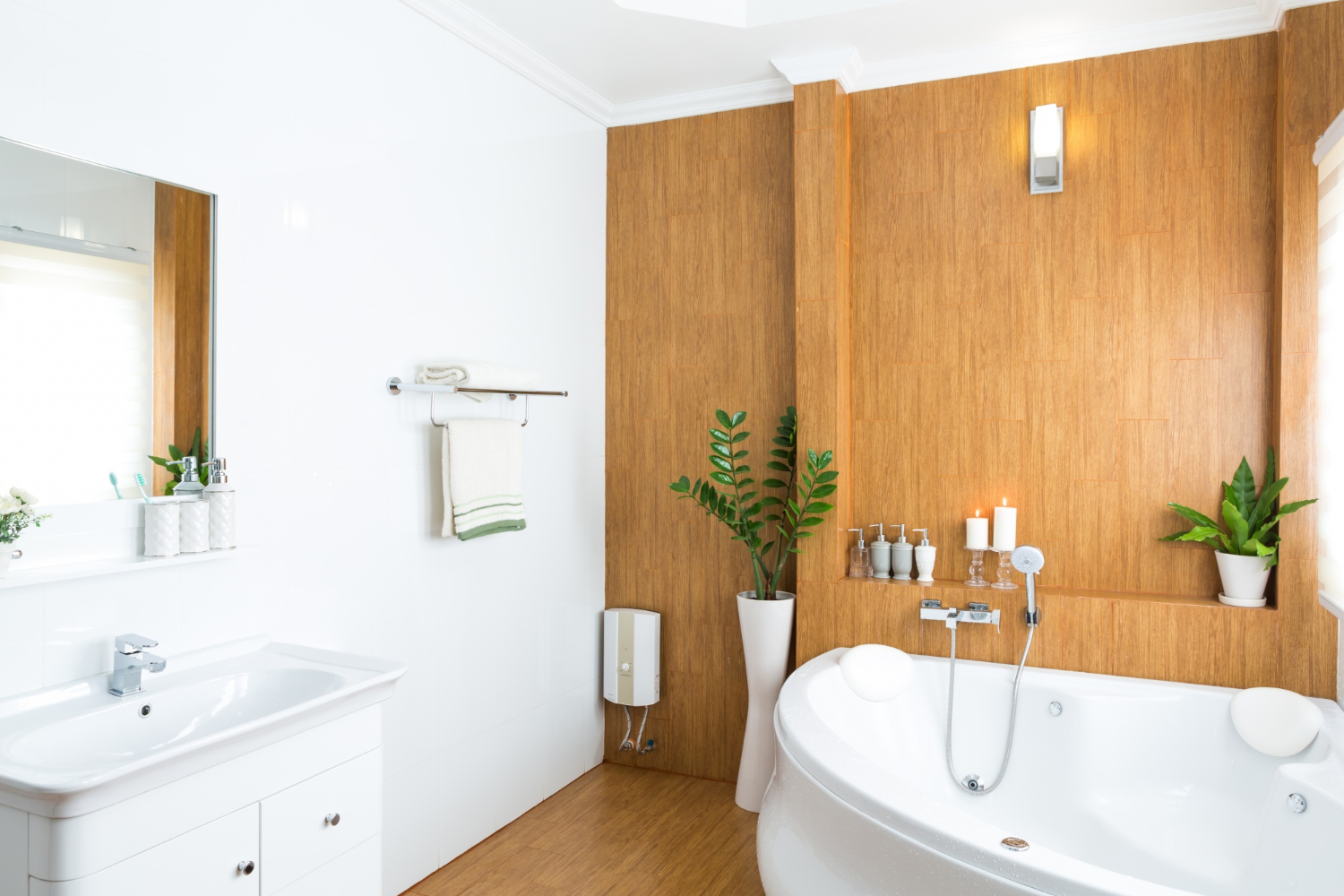
The overall atmosphere of a bathroom has a direct impact on how people experience the space. A cluttered room with harsh lighting and outdated finishes may feel stressful instead of calming. Spa-inspired designs focus on creating a peaceful environment through thoughtful material selection and simple layouts. Soft color palettes, natural stone, warm wood accents, indoor plants and clean surfaces help reduce visual distractions. These elements encourage a quieter and more comfortable setting. Lighting also contributes significantly to the atmosphere. Layered lighting allows homeowners to adjust brightness depending on the time of day or activity. Gentle lighting during an evening bath creates a completely different experience from bright lighting used during morning routines.
Improving Daily Comfort
A bathroom should support more than basic hygiene. It should also make daily routines more enjoyable. Modern spa-inspired renovations often include larger showers, rainfall showerheads, comfortable soaking tubs, heated flooring, and improved ventilation. These features increase comfort while making the room more pleasant to use throughout the year. Simple improvements can also make a difference. Better storage reduces clutter. Soft-close cabinetry adds convenience. Well-designed countertops provide more usable space for everyday items. Each improvement contributes to smoother daily routines while creating a greater sense of comfort.
Supporting Better Organization
An organized bathroom feels larger, cleaner, and easier to maintain. Spa-inspired designs place strong emphasis on storage that blends naturally into the overall layout. Floating vanities, built-in shelving, recessed niches, and concealed cabinets help keep personal items out of sight while remaining easily accessible. Towels, toiletries, and cleaning supplies each have designated storage areas that reduce countertop clutter. Organization also improves efficiency. Homeowners spend less time searching for frequently used items because everything has an appropriate place. The result is a room that remains visually calm while functioning more effectively every day.
Increasing Home Value
Bathroom renovations continue to be among the most popular home improvement projects because they benefit both current homeowners and future buyers. A spa-inspired bathroom suggests that the property has been carefully maintained and thoughtfully updated. Buyers often appreciate upgraded showers, modern fixtures, quality materials, and efficient layouts because these features reduce the need for immediate renovations after purchase. While renovation decisions should first support everyday living, attractive bathrooms also strengthen overall property appeal. Modern finishes and practical improvements help homes remain competitive within changing real estate markets.
Enhancing Visual Appeal
Bathrooms often …



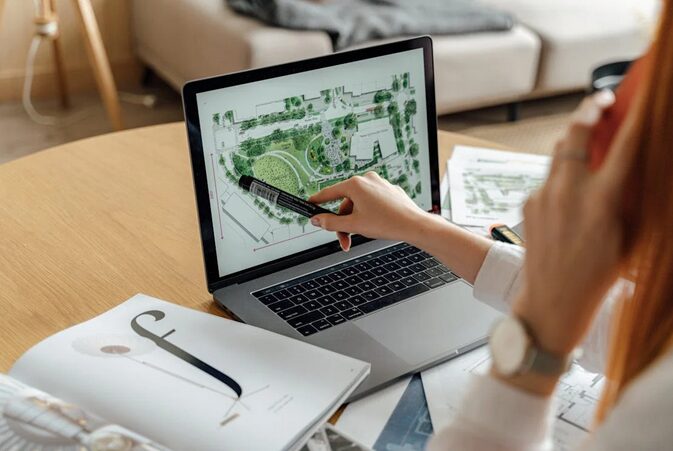



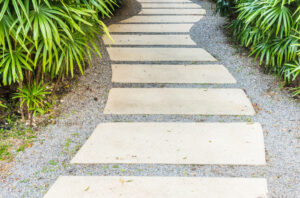 Modern garden design favors simplicity over clutter. One of the easiest ways to update your space is by refining its layout. Replace curving or scattered paths with straight, geometric walkways made of concrete, slate, or gravel. Clean lines in raised beds, planter edges, and garden furniture bring visual order and elegance. Removing excess ornamentation and focusing on a few strong features creates a calm, contemporary vibe that’s both attractive and easy to maintain.
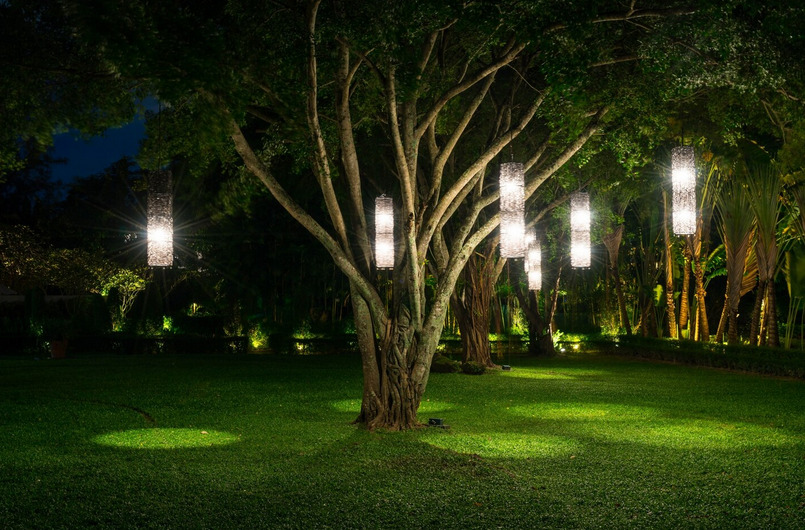 Outdoor lighting is essential in modern garden design—not just for visibility, but also for atmosphere. Use low-profile LED path lights, uplighting on feature trees, or hidden strip lighting under benches to create depth and warmth. A well-lit garden feels polished and inviting, especially in the evenings. Solar lights are a great, eco-friendly option and can be easily installed without wiring.

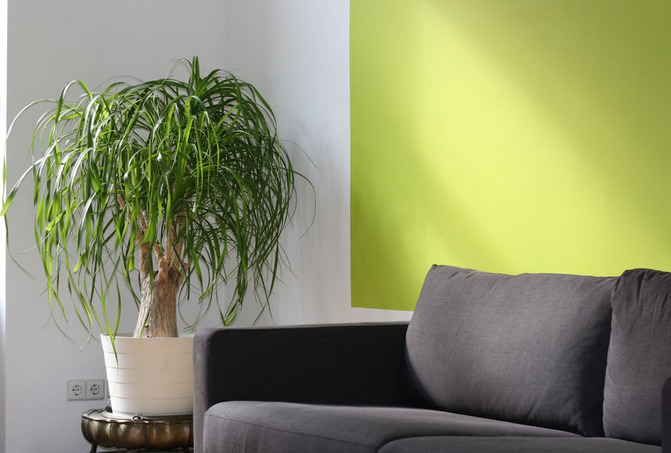
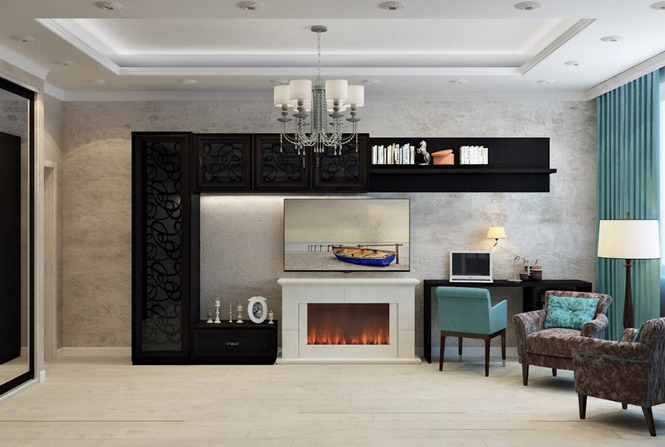
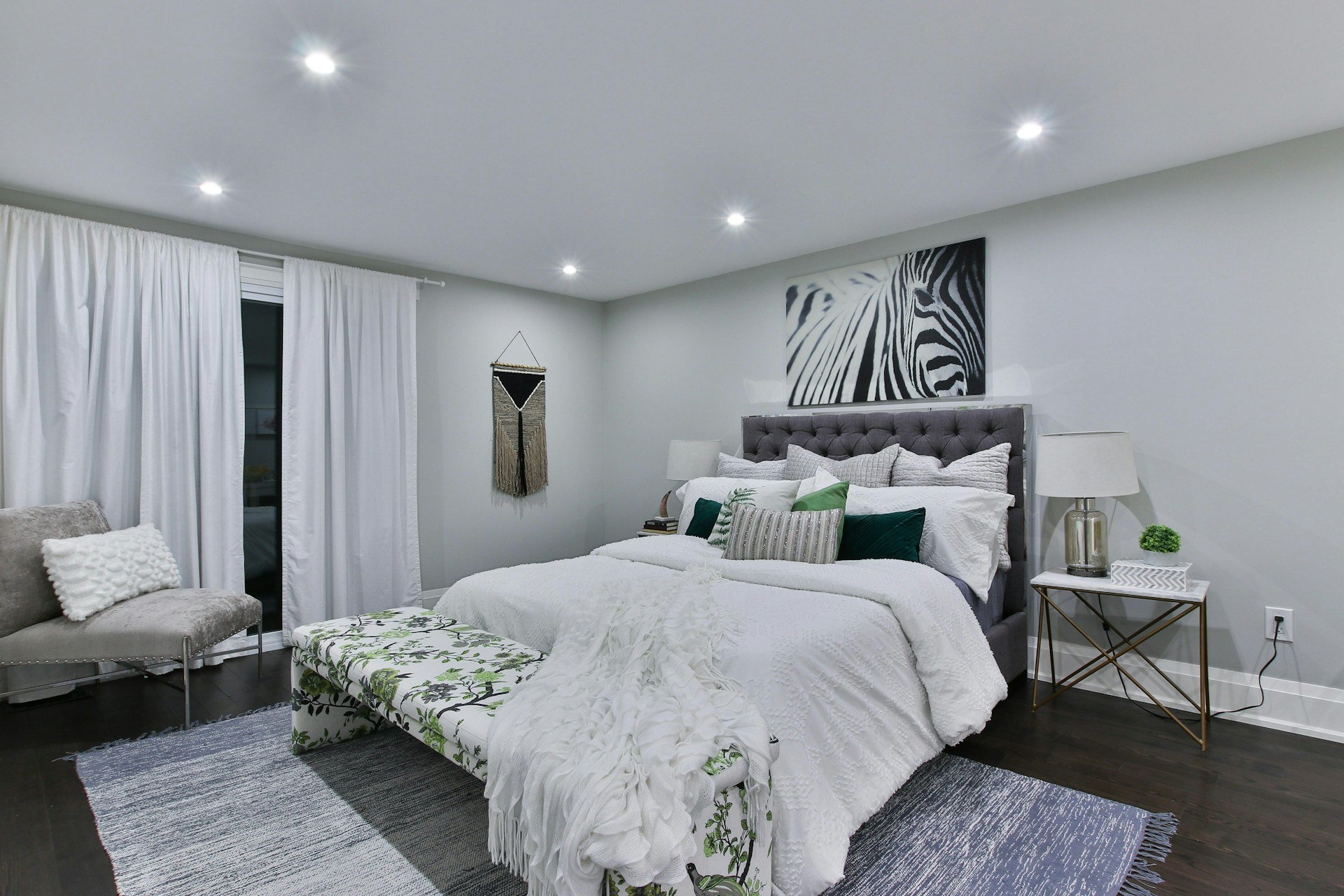
 Colors play a crucial role in shaping our emotions. Warm tones like red and orange can evoke energy and passion, while cooler shades such as blue and green promote calmness. Textures also matter. Soft fabrics invite comfort, while sleek finishes might inspire modernity or sophistication. Lighting influences mood too. Bright spaces encourage alertness, while dim lighting creates intimacy. Layered lighting adds depth to any room. Consider the layout of your space as well. Open areas tend to feel more inviting and social, whereas enclosed spaces can offer a sense of security.