Home

The Ultimate Guide: The Top Must-Have Features in a Modern House Design

In today’s fast-paced world, modern house design has evolved to meet homeowners’ changing needs and preferences. The focus has shifted from merely providing shelter to creating spaces that will enhance quality of life, improve efficiency, and offer sustainable living solutions. The top must-have features in modern house design encapsulate these values, blending aesthetics with functionality to create homes that are beautiful and highly practical. For more inspiration on creating your dream home with just a few clicks, check out hausbauhelden.de/ratgeber-fertigbau/mit-ein-paar-klicks-zum-traumhaus-haeuser-online-konfigurieren-mit-ki/.

Smart Home Technology

smart home

Intergrating smart technology is at the forefront of modern house design. This feature transforms a home into an intelligent living space, offering convenience, security, and energy efficiency. Smart home technology makes daily living more streamlined, from smart thermostats that can learn heating and cooling preferences to lighting systems that adjust based on natural light levels. Voice-activated assistants, such as Amazon Alexa or Google Home, can control various aspects of the home environment, including appliances, entertainment systems, and even security cameras, ensuring that homeowners can manage their homes efficiently and securely from anywhere in the world.

Open Floor Plans

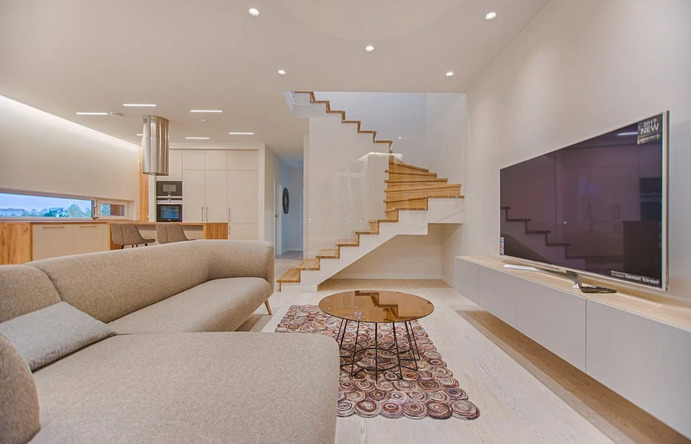
An open floor plan is a hallmark of modern home design, promoting a sense of spaciousness and flow between different living areas. This layout eliminates barriers such as walls and doors that traditionally separate the kitchen, dining, and living rooms. The result is a more pleasant and inclusive environment where your family members and guests can interact freely. Open floor plans also allow for greater natural light distribution, enhancing the overall ambiance and making the space feel larger and more inviting.

Energy Efficiency

With increasing awareness on environmental issues, energy efficiency has become a critical feature in modern house design. Homes are now built or retrofitted with energy-saving technologies and sustainable materials. Solar panels, high-efficiency HVAC systems, and advanced insulation techniques reduce the carbon footprint and lower utility bills. Additionally, energy-efficient windows and doors and smart home systems that optimize energy usage contribute to a more sustainable and cost-effective living environment.

Multi-Functional Spaces

In response to diverse needs of today’s homeowners, multi-functional spaces are a crucial component of modern house design. These adaptable spaces can serve various purposes, such as a home office that doubles as a guest room or a living area that converts into a home gym. The flexibility of such spaces allows homeowners to maximize their home’s utility, accommodating changing lifestyles and needs without requiring additional square footage.

Outdoor Living Areas

outdoor

Modern house design increasingly blurs the line between indoor and outdoor living, emphasizing the importance of outdoor spaces. Features such as patios, decks, and landscaped gardens extend the living area, providing additional relaxation, entertainment, and dining spaces. Outdoor kitchens, seating areas that are comfortable, and fire pits enhance usability and enjoyment of these spaces, promoting a connection with nature and encouraging outdoor activities.

The evolution of modern house design reflects homeowners’ changing priorities and lifestyles. Incorporating smart home technology, open floor plans, energy efficiency, multi-functional spaces, and outdoor living areas are essential features that …


Home

Building from Below the Ground: Factors to Consider in Basement Construction

While it may not be as glamorous as building towering skyscrapers or magnificent mansions, constructing a solid and functional basement is no less important. Whether you’re planning on turning your basement into a cozy living space, a home office, or simply utilizing it for storage purposes, there are several crucial factors to consider before you embark on this subterranean journey.

From ensuring foundation integrity to maximizing natural light and ventilation, we’ll dive deep into the key elements that will contribute to a successful basement construction project. So put on your hard hat and grab your blueprint – let’s uncover the secrets behind creating an exceptional underground oasis.

Foundation Integrity

Strong foundations are the backbone of any structure, and this holds especially true for basement construction. As mentioned in Immoportal, when it comes to foundation integrity, there are a few key considerations that shouldn’t be overlooked.

First of all, assess the soil conditions on which your basement will rest. Different soil types have varying load-bearing capacities, so understanding the specific characteristics of your site is essential. Secondly, consider the waterproofing. Implementing effective waterproofing techniques, such as applying water-resistant coatings or installing drainage systems, can help prevent costly water damage down the line.

Additionally, proper reinforcement of the foundation walls is vital for stability and longevity. Reinforcing materials like steel bars or mesh should be strategically placed within the concrete walls during construction, ensuring they withstand external pressures over time.

Permits and Regulations

permits

While navigating through permit applications and adhering to regulations might seem like a hassle initially, keep in mind that these guidelines exist for good reason – your safety! They help ensure that basements are built properly and pose no threat of collapse or other hazards.

So, before breaking ground on your basement project, take some time familiarizing yourself with the specific permits required in your area. It’s always better to be safe than sorry when it comes to compliance with laws regarding construction projects.

Natural Light and Ventilation

Let’s talk about natural light. Basements are notorious for being dark and gloomy spaces, but by strategically placing windows or skylights in your basement layout, you can bring in ample sunlight during the day.

Not only does this make the space feel more open and inviting, but it also has numerous benefits for our overall well-being. Natural light helps regulate circadian rhythms, boosts mood levels, and even improves productivity.

Next, ensuring proper ventilation is equally important. Basements tend to be prone to dampness and musty odors due to their underground location. By installing vents or fans that allow fresh air circulation throughout the space, you can prevent moisture buildup and improve air quality.

Proper Insulation

When it comes to basement construction, proper insulation is a crucial factor that cannot be overlooked. Insulating your basement effectively can bring numerous benefits, from great energy efficiency and cost savings to increased comfort and improved air quality.

Without adequate insulation, you may experience issues such as mold growth, condensation, and even water damage. In …

Home

Home Equity for Home Improvements: A DIY Enthusiast’s Guide

Congratulations, you own a home! Now it’s time to make it your own. Whether you’re a seasoned DIY enthusiast or just starting out, home improvements are a great way to add value and personality to your space. And what better way to fund these projects than with a home equity loan or line of credit? Today, we’ll walk you through the best home improvements to tackle with your home equity so you can create the home of your dreams. Let’s get started.

Starting a Kitchen Remodeling Project for Value

kitchen

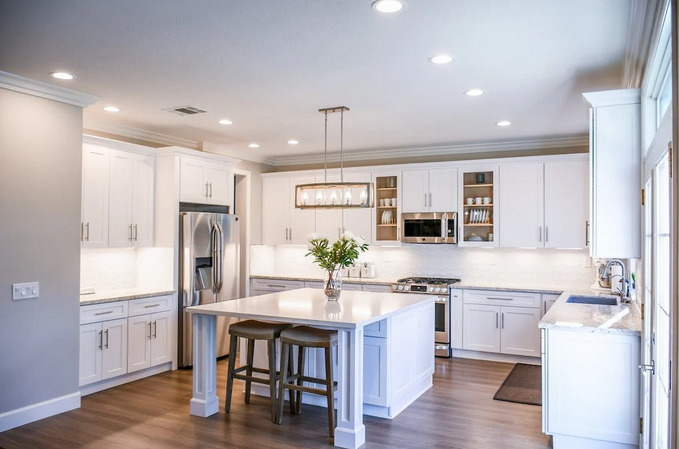
Are you dreaming of a sleek and modern kitchen that’s not only a culinary haven but also adds value to your home? A kitchen remodeling project is the perfect way to achieve both goals! Start by assessing your current space and identifying areas for improvement. Is it outdated? Lacking storage? In need of better functionality? Once you have a clear vision, create a budget that aligns with your goals.

Next, consider the layout. Can it be optimized for better flow and efficiency? Maybe you’ve always dreamt of an open-concept kitchen or adding an island for additional workspace. Don’t forget about ample lighting – brightening up your kitchen can make all the difference. Also, think about small details like hardware, backsplash tiles, and fixtures.

Enhancing Curb Appeal

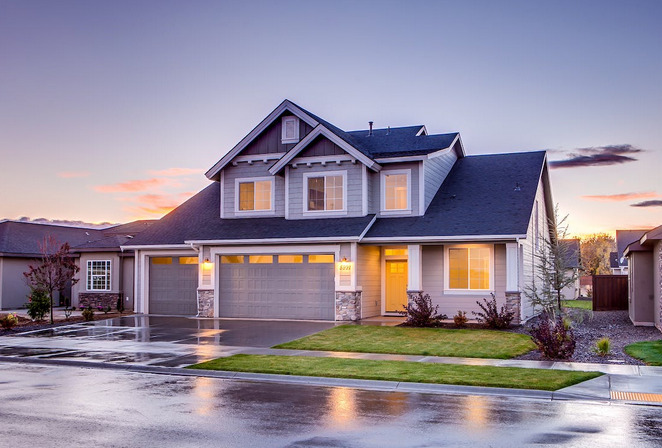
First impressions matter, and when it comes to your home, the exterior is what sets the tone. Enhancing curb appeal not only makes your house more visually appealing but can also increase its value. Here are some ideas to spruce up the exterior of your home. Start by slapping your front door with a fresh coat of paint or completely replace it with a new one that complements the style of your house. Consider adding decorative hardware for an extra touch of elegance. Lighting can make a big difference, too.

Don’t forget about the driveway. Repair any cracks or stains and consider sealing it for a polished look. Updating your windows can instantly modernize the appearance of your home. Choose energy-efficient options that enhance both aesthetics and functionality.

curb

Getting More Energy-Efficient Upgrades

When it comes to making home improvements, one area that often gets overlooked is energy efficiency. However, upgrading your home with energy-efficient features can not only help reduce your environmental footprint but also save you money on utility bills in the long run.

One of the easiest ways to make your home more energy-efficient is by installing energy-saving appliances. Another way to improve energy efficiency is by upgrading your windows and doors. Older windows and doors tend to have poor insulation properties, allowing drafts and heat transfer. By replacing them with newer, more efficient ones – such as double-pane windows or insulated doors – you can significantly reduce air leakage and enhance the overall insulation of your home.

Upgrading Bathrooms for Both Functional and Aesthetic Improvements

bathroom

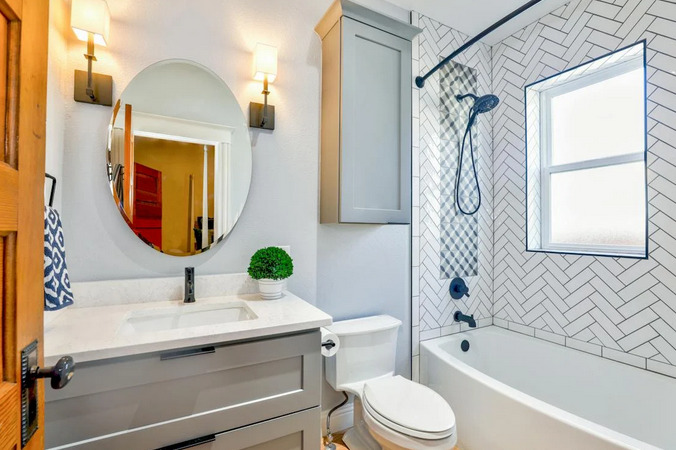
Aside from those three, a well-designed and functional bathroom can greatly enhance your daily routine and even increase the value of your home. So why not give …

Home

Design Trends in Prefab Home Interiors Approved by Top Designers

Prefabricated homes have successfully come a long way in these years, evolving from simple structures into stunning spaces that showcase the latest trends in interior design. You can learn more about the basics of prefabricated houses at www.wg-gesucht.de/artikel/guenstig-ins-eigenheim—der-fertighausexperte-als-wegbereiter.

With top designers embracing these innovative dwellings, it’s time to explore the hottest design trends that are captivating homeowners and industry experts alike. From open-concept living to minimalist aesthetics, we’ll delve into the key elements that make prefab home interiors truly exceptional.

Open-Concept Living

Today, homeowners crave a sense of openness and connectivity within their homes. This is where open-concept living shines the most. It basically eliminates barriers by removing walls and creating seamless transitions between different areas. This not only allows for better flow and movement but also maximizes natural light penetration throughout the space.

living space

By integrating the kitchen, dining area, and living room into one cohesive space, open-concept living encourages social interaction and facilitates entertaining guests. It creates an inclusive atmosphere where family members can easily engage with each other, whether they are cooking together or relaxing on the couch.

In terms of aesthetics, open-concept spaces offer endless possibilities for creative interior design. With fewer structural limitations to consider, homeowners have more freedom to experiment with furniture arrangements and decorative elements that reflect their personal style.

Minimalist Aesthetics

Minimalism is a style that focuses on simplicity and functionality, stripping away unnecessary clutter and embracing clean lines and neutral colors. And in the world of prefab homes, top designers have fully embraced this minimalist aesthetic.

One key aspect of minimalist interiors is the use of open space. By getting rid of excess furniture and decor, you create an environment that feels spacious and uncluttered. This can be especially beneficial in prefab homes where space may be limited.minimalist life

Another hallmark of minimalist design is the emphasis on quality over quantity. Instead of filling your home with countless trinkets and knick-knacks, opt for a few carefully chosen pieces that truly speak to your personal style.

Natural Light Maximization

The use of ample natural light not only enhances the overall aesthetic appeal of a space but also creates a welcoming and bright atmosphere. One way designers achieve this is by incorporating large windows or glass walls into the design. These transparent elements allow sunlight to flood the interior, creating a seamless connection between indoor and outdoor spaces. Another technique used for maximizing natural light is the strategic placement of mirrors.

Natural Elements

From wood accents to stone finishes, various natural materials can simply add a touch of remarkable warmth and authenticity to any space. When it comes to using wood in interior design, top designers are opting for sustainable options such as reclaimed or responsibly sourced timber. This not only adds character but also helps reduce our carbon footprint.

Stone accents are another way to bring nature indoors. Whether it’s a sleek marble countertop or rustic slate tiles, incorporating stone elements into the design provides an earthy and elegant aesthetic. Plus, stones like …

Home

The Power of Roofing Warranties: How They Can Save You Money on Repairs

Roofing warranties play a vital role in protecting homeowners from unexpected repair costs and can save them a significant amount of money. These warranties provide coverage for various types of damages that may occur to the roof over a specified period. This article will delve into the key factors illustrating how warranties can help Save on Roof Repairs.

Length of Warranty

The length of a roofing warranty is an essential factor to consider when looking to save money on repairs. Most reputable roofing companies offer warranties that can range from 10 to 30 years, with some even extending beyond that. Choosing a longer warranty period can significantly reduce the risk of unforeseen expenses during the lifespan of your roof. By investing in a substantial warranty, homeowners can enjoy peace of mind knowing that potential repair costs will be covered within the given period.

Coverage Types

Understanding the different types of coverage provided by roofing warranties is crucial for cost savings. Many warranties offer coverage for common issues such as leaks, manufacturing defects, and damage caused by severe weather conditions. Some warranties may also include coverage for labor and installation errors. By carefully scrutinizing the coverage types and ensuring they align with potential risks, homeowners can be well-prepared for any repairs needed and avoid unexpected expenses.

Transferability

The transferability of roofing warranties is an often overlooked yet valuable feature that can save homeowners money in the long run. A transferable warranty allows the coverage to be transferred to a new owner if the property is sold during the warranty period. This can increase the property’s value and provide potential buyers with the confidence that they won’t have to bear immediate roof repair costs. Additionally, by having a transferable warranty, homeowners can avoid the need to negotiate repairs or offer discounts during the selling process.

roofer

Proper Maintenance and Inspections

Regular maintenance and inspections are fundamental factors that contribute to maximizing the benefits of roofing warranties. Most warranties require homeowners to perform routine maintenance, such as cleaning gutters or removing debris, to ensure optimal performance of the roof. Additionally, scheduling periodic professional inspections can identify potential issues early on, allowing for timely repairs covered under the warranty. By adhering to these maintenance requirements, homeowners can protect their investment and prevent costly repairs that may not be covered due to negligence.

Roofing warranties offer homeowners an excellent opportunity to save money on repairs by providing coverage for a specified period. Lengthy warranty terms, comprehensive coverage types, transferability, and proper maintenance all contribute to the power of these warranties in minimizing unexpected expenses.…

Home

Five Humane Methods to Keep Squirrels at Bay

Are pesky squirrels invading your garden, stealing your birdseed, or wreaking havoc in other outdoor areas of your home? Your first instinct might be to reach for a store-bought chemical solution to solve the problem, but we have five safer, more humane methods that you can try first. We believe that keeping squirrels out of the garden or your home should never include poison or other harmful substances, as just like us, they also want to eat and ultimately live for another day. From planting certain species of flowers and shrubs to using motion detectors and soundscapes, read on for our top natural repellent ideas that will keep those critters away — without causing them harm.

Get Your Coffee Grounds in Action

One thing squirrels don’t like is certain odors. Coffee grounds emit a strong odor that squirrels don’t like, so sprinkle them around the perimeter of your garden or where you want to keep the critters away. Just make sure to refresh frequently as they lose their potency with time and rain. While coffee grounds may not always be 100% effective, they are an inexpensive and natural way to repel squirrels that won’t harm them.

Plant Squirrel Repellent Trees & Shrubs

shrubsAside from coffee grounds, planting certain species of trees and shrubs can also discourage squirrels from entering your garden. Choose or create a barrier of shrubs and trees that squirrels don’t like the smell of, such as juniper, yew, and cedar. When planted in a thick line around the perimeter of your garden, these plants will help keep unwanted visitors out while letting some fresh air in. On top of that, these plants are also great for providing extra shade and privacy if planted in the right places.

Install Motion-Activated Sprinklers

But what if you’re more into embracing technology? Well, in that case, motion-activated sprinklers are great for keeping squirrels away from your garden or home. These devices will give an unsuspecting critter a quick blast of water when it gets too close, startling them and sending them running away. Not only are motion-activated sprinklers a great way to keep squirrels away, but they can also be used to deter other animals, such as cats and deer. Just be sure to adjust the sensitivity and spray distance before using.

Make Use of Natural Repellents From Your Kitchen

Squirrels also hate the smell of garlic and onions. To keep them away, try creating a homemade repellent with one part chopped garlic or onion and two parts of water. Put the mix in a spray bottle and spray it around your garden or other outdoor areas where you want to keep squirrels away. Make sure to refresh every few days or after a good rain. Besides, you can also try putting out citrus peels or other natural ingredients that squirrels don’t like the smell of.

Install a Physical Barrier Around the Garden

fence

Finally, if all else fails, you can always try installing a physical barrier to keep squirrels out. Options …

Health

Smart Ways to Prevent Plumbing Issues

Are you one of those people who can’t stand the sight of a plunger? Do you avoid taking baths because you’re afraid your tub will overflow? If so, this post is for you. In it, we’ll share some tips to help you prevent unlikable plumbing emergency from happening in the first place. So, if you want to keep your home and sanity intact, read on.

Be Careful With DIY Plumbing Cleaners

One of the most common culprits of plumbing problems is using harsh chemicals to clean drains. If you’ve ever used a drain cleaner, you know how caustic they can be. Over time, these cleaners can eat away at your pipes, causing them to become weak and eventually break. Not to mention, the fumes from these cleaners can be dangerous to your health. So what’s the alternative? There are several ways to clean your drains without using harsh chemicals. One method is to use a natural drain cleaner like vinegar or baking soda. Just pour either one down your drain, let it sit for a while, and then flush with hot water.

Don’t Flush Any Flushable Wipes

Even if the label says “flushable,” don’t do it. These wipes can cause massive clogs (and expensive plumbing bills) because they don’t break down like toilet paper. Throw them in the trash instead. This will only save you a few bucks each month, but it all adds up.

toilet wipes

Never Pour Grease Down the Drain

One of the most common and preventable plumbing problems is clogged drains, and grease is one of the main culprits. Even if you’re careful to scrape it off your plates before washing them, grease can build up in your drains and cause a clog. To prevent this, never pour grease down the drain. Instead, pour it into an empty can or old jar and dispose of it in the trash.

Check for Leaks Regularly

Leaks might seem like a small problem, but they can cause a lot of damage to your home if left unchecked. Not only will you waste water (and money) if there’s a leak in your pipes, but the moisture can also lead to mold and mildew growth. To avoid this, make it a habit to check for leaks regularly and fix them as soon as you find them.

Install a Water Softener

water softenerIf you live in an area with hard water, then you know how annoying it can be to deal with the effects: soap scum, spots on dishes and glasses, and dry skin, to name a few. A water softener can help solve these problems by removing the minerals that cause the hardness of your water. Not only will this make your life more comfortable, but it can also extend the life of your plumbing fixtures.


To keep your home and sanity intact, you must be proactive about plumbing issues. In this post, we’ve shared some tips to help you prevent them from happening in the first place. So whether you’re looking to avoid …

Home

Top Advantages of Using a Storage Unit

Why do you need a storage unit? Storage units provide an affordable and convenient way to store your belongings, especially when moving to a new home or office. This blog post will discuss some of the top advantages of using a storage unit.

More Space to Store Items

unitsThe average home has a limited amount of space and this is especially true if you live in an apartment or condo. A storage unit gives you the extra space to store all of your belongings. This will allow you to declutter your home and have more space to enjoy your life. If you live in an area with extreme weather conditions, a storage unit can keep your belongings safe from the wind, rain, snow, and sun. This is especially important if you have valuable items that you do not want to risk damage. Storage units have security features such as alarms, gates, and surveillance cameras. This will give you peace of mind knowing that your belongings are safe and secure.

Protection From Environmental Damage

One of the main advantages of using a storage unit is protecting your belongings from environmental damage. Storage units are typically climate-controlled, which will protect your belongings from extreme temperatures and humidity. This is especially important if you live in an area with extreme weather conditions. For example, if you live in an extremely hot area in the summer, a storage unit can protect your belongings from heat damage.

Extra Security From Theft and Vandalism

vandalismWhen you store your belongings in a storage unit, they are much better protected from theft and vandalism than if they were left out in the open. Storage units are typically kept locked, and many have security features like alarms and cameras to deter would-be criminals.


Additionally, most storage facilities are well lit and have security guards on patrol to further prevent crime. By storing your belongings in a storage unit, you can rest assured knowing they are much safer than if they were left at home.

Overall, there are many advantages to using a storage unit. Storage units provide an affordable and convenient way to store your belongings. They protect your belongings from environmental damage and give you more space to store items. Additionally, they provide extra security from theft and vandalism.…

Home

How to Keep Your Neighborhood Clean and Green

Keeping your neighborhood clean is vital for many reasons. Not only does it make the area more aesthetically pleasing, but it also helps to keep everyone safe and healthy. Why don’t we all take a bit of time out of our schedule to read up on tree trimming Stamford CT, and learn some ways that you can help keep your neighborhood clean and green? Let’s start.

Plant Trees

treeTrees are the very foundation of a healthy and vibrant neighborhood. They help to improve air quality, provide shade, and can even help to reduce noise pollution. If you have the space in your yard, consider planting a tree. Not only will it beautify your property, but it will also be a valuable asset to your community.

Mulch Your Leaves

Fall leaves are beautiful, but they can also be a pain to clean up. Save yourself some time (and your back) by mulching them instead. You can either use a leaf blower to blow the leaves into a pile, or you can rake them into one. Once you have a sizable pile, simply run over it with a lawnmower set to the highest setting. This will chop the leaves up into small pieces that will quickly decompose back into the soil.

Compost

Composting is a great way to reduce your waste, and it’s also great for your plants. Composting is simply the process of breaking down organic matter, such as food scraps and yard waste, into a nutrient-rich soil amendment. This Amendment can then be used to improve the health of your plants, and it will also help to reduce the amount of waste that goes to the landfill.

Trim the Branches

Trees can grow quite large, and their branches can extend over sidewalks, driveways, and even into the street. While this may not seem like a big deal, it can actually be quite dangerous. Overhanging branches can block visibility at intersections, and they can also fall and damage property (or worse). So, be sure to trim any branches that are hanging over public areas.

Pick Up Litter

litterThis one is pretty self-explanatory, but it’s still worth mentioning. Picking up litter not only makes your neighborhood look nicer but also helps to keep everyone safe. Litter can attract pests, and it can also be a tripping hazard. So, do your part and pick up any litter that you see. These are just a few of the many ways that you can help to keep your neighborhood clean and green. By taking some time out of your schedule to do these things, you’ll be making a big difference in the health and appearance of your community. So, what are you waiting for? Get out there and start making a change.…


Home

Things to Do When Buying a New Home

It’s finally happened- you’ve found the perfect home, and you’re ready to make an offer. Congratulations! There are a few things you’ll want to do once the offer is accepted so you can move in. This is to ensure that it can be ready for you to live in as soon as possible. Here, we will discuss what you should do when buying a new home.

Install a Well Water Filtration System

waterIf you’re on well water, installing a filtration system is a good idea. But before doing so, you should know about well water filtration systems. This will help to remove any impurities from the water and make it safe for drinking and cooking. You can find these systems at most home improvement stores, or you can hire a professional to install one for you. You need to contact the local health department to get a water quality report. This will give you an indication of what needs to be filtered out of your water.

Purchase Some Furniture

You’ll need some furniture for your new home unless you plan to sleep on the floor and eat off of paper plates. Start by making a list of the essentials- a bed, a couch, a table, chairs, etc. Once you have your list, start shopping around for the best deals. You can check out second-hand stores, online retailers, or even garage sales. Just make sure that you measure the furniture before you buy it to make sure it will fit in your new home. Many have made the mistake of buying furniture only to find out it’s too big for their new place.

Set Up Your Utilities

cleanYou’ll need to set up your utilities before you can move into your new home. This includes things like electricity, gas, water, and trash service. You can usually set up your utilities by calling the service provider and giving them your new address. Most service providers will need your Social Security number, so have that handy when you call. Your utilities are very important to have water, heat, and air conditioning in your new home. So, you’ve found the home of your dreams, and now it’s time to set up your house. You can do it slowly, from installing a water well system, purchasing some furniture, and setting up your utilities.



Buying a new home can be stressful, but following the things we’ve highlighted above can make it faster to live in. We hope that you find this blog post helpful.…