

Why Oversized Heating Units Reduce Efficiency in Energy-Rated Homes
Energy-rated homes are designed to reduce heat loss and improve comfort. High levels of insulation, airtight construction, and advanced glazing allow these properties to maintain stable indoor temperatures. Yet even in well-designed houses, efficiency can be compromised by one common mistake: installing oversized heating units. Bigger equipment does not automatically mean better performance. In fact, heating systems that exceed a home’s actual demand often reduce overall efficiency. Understanding why this happens requires examining how modern energy-rated homes function and how mechanical systems respond to lower heating loads. To get more information, click here.
Understanding Heating Load in Energy-Rated Homes
Heating load refers to the amount of heat a home needs to maintain a comfortable temperature during cold conditions. In traditional houses with limited insulation, this demand can be high. Builders often chose larger systems as a safeguard against extreme weather. Energy-rated homes operate differently. Improved building envelopes reduce heat loss significantly. Windows retain warmth more effectively. Air leakage is minimized. As a result, the heating load decreases. When a heating unit is sized based on outdated assumptions rather than precise calculations, it may produce more heat than the home requires. This mismatch creates operational problems.
The Problem of Short Cycling
Oversized heating units tend to heat spaces quickly. The thermostat reaches the target temperature within a short period. The system then shuts off. After a brief pause, it turns on again. This pattern is known as short cycling. Short cycling reduces efficiency. Heating systems operate most effectively when running for longer, steady periods. Frequent start-stop sequences increase energy consumption during ignition or ramp-up phases. Mechanical components also experience more wear. Motors, burners, and compressors face repeated strain. Over time, this leads to higher maintenance costs and shorter equipment lifespan.
Uneven Comfort and Temperature Fluctuations
Energy-rated homes aim to provide stable indoor environments. Oversized heating units can undermine this goal. Rapid heating creates noticeable temperature swings. Rooms may feel overly warm for short intervals, then cool between cycles. These fluctuations reduce comfort. Occupants may adjust thermostats frequently, attempting to compensate. This further disrupts efficiency. Smaller, properly sized systems operate more consistently. They deliver gradual heat, maintaining even temperatures throughout the space. Stability enhances both comfort and energy performance. The building envelope is designed to minimize heat loss. The mechanical system should complement this design, not overpower it.
Impact on Energy Consumption
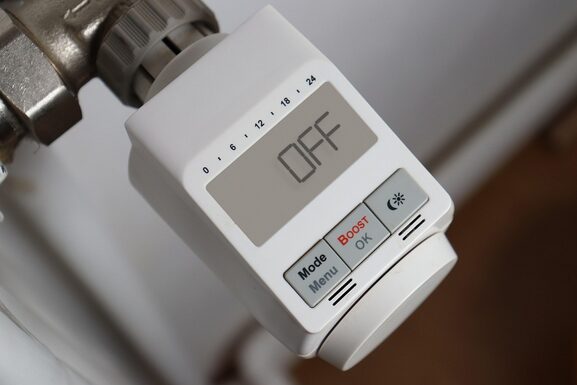
Many homeowners assume that a larger system will consume less energy because it runs for shorter periods. In reality, frequent cycling increases overall usage. Each startup requires energy to initiate combustion or compressor operation. Energy-rated homes are built to reduce demand. Installing a system that exceeds that demand wastes potential savings. Instead of operating within an optimized range, the unit works inefficiently. Right-sizing equipment aligns energy output with actual requirements. This alignment supports lower utility bills and consistent performance. Precise load calculations are essential. Modern modeling tools help ensure accurate sizing. Guesswork often leads to oversizing.
Integration With Modern Heating Technologies
Energy-rated homes often incorporate advanced heating technologies such …