

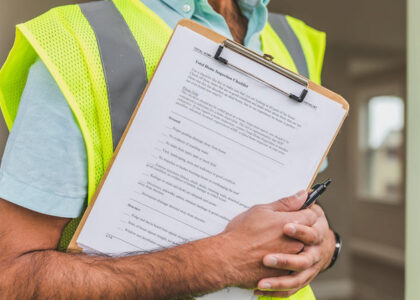
Why Real Estate Inspectors Look Closely at Grounding in Property Reports
Real estate inspectors assess many components of a home, and electrical grounding is always high on their checklist. This safety feature ensures that excess electrical energy is safely directed into the ground, reducing the risk of shocks or fires. Everyone needs a safety guide for homeowners as it helps explain why inspectors pay such close attention to grounding systems during evaluations. Grounding might not be as visible as a leaky roof or cracked foundation, but its impact on safety and functionality is significant. Understanding why inspectors focus on grounding can help buyers and sellers alike appreciate its role in a safe and up-to-code home.
Grounding Protects Against Major Hazards
Electrical grounding provides a safe path for excess electricity to travel into the earth. When a home is properly grounded, it reduces the risk of electric shock, electrical fires, and appliance damage. Inspectors pay close attention to this system because an ungrounded home can pose hidden dangers. If an electrical surge or short circuit occurs, an ungrounded system might allow electricity to flow through metal surfaces or electronic devices—putting residents at risk.
Grounding Affects the Entire Electrical System
Inspectors check grounding because it influences the performance and reliability of the entire electrical network in a home. An improperly grounded system can cause flickering lights, tripped breakers, or inconsistent power supply. These issues are not just inconvenient; they’re often indicators of larger problems within the wiring or panel. A home with stable grounding provides a better environment for modern electronics and appliances, which require clean and consistent power.
It’s a Key Indicator of Code Compliance

Electrical codes require proper grounding for safety and functionality. Real estate inspectors are trained to identify whether a home meets current standards, especially in older properties where upgrades may be incomplete. Even if outlets have three prongs, inspectors check whether those outlets are actually grounded or simply replaced for appearance. If grounding is inadequate, it’s a red flag that the home may need significant electrical updates to pass inspection or secure homeowner’s insurance.
Implications for Home Value and Negotiation
When grounding issues show up in a property report, they often influence the buyer’s decision or the sale terms. Buyers may request repairs or a reduction in price to offset the cost of electrical upgrades. For sellers, ensuring the electrical system is grounded and up to code before listing can avoid delays, boost buyer confidence, and strengthen their negotiating position. Real estate inspectors highlight grounding because it’s a safety concern and a potential deal-breaker if ignored.
Real estate inspectors give grounding special attention for good reason—it’s a foundational element of a safe and functional electrical system. Whether you’re buying or selling a home, understanding the role of grounding can help you interpret inspection findings and make smarter decisions. Grounding isn’t just a technicality in a report; it’s a crucial part of protecting people, property, and peace of mind.…