

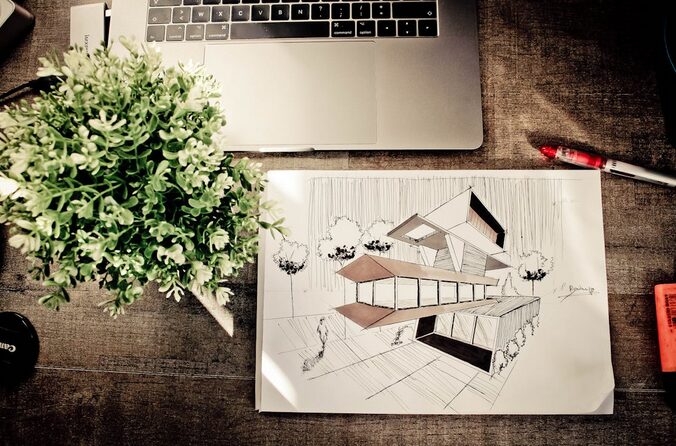
Real estate development has always been a complex process. From land acquisition to final construction, countless steps require coordination and precision. In the past, many of these stages were handled manually or with limited software support. Today, digital tools are reshaping the way projects are planned, executed, and managed. They streamline decision-making, minimize risks, and unlock opportunities that were difficult to achieve before. To know more, visit www.wochenspiegelonline.de/news/detail/so-veraendert-die-digitalisierung-die-planung-regionaler-bauprojekte.
The Power of Data-Driven Insights
Modern real estate planning now thrives on data. Developers can analyze market trends, demographics, and location-specific insights with accuracy never seen before. This data informs decisions on where to build, what to design, and how to price properties. Instead of relying solely on instinct or outdated reports, developers have access to real-time information. This ensures strategies align with demand and reduce the chance of costly missteps.
3D Modeling and Visualization
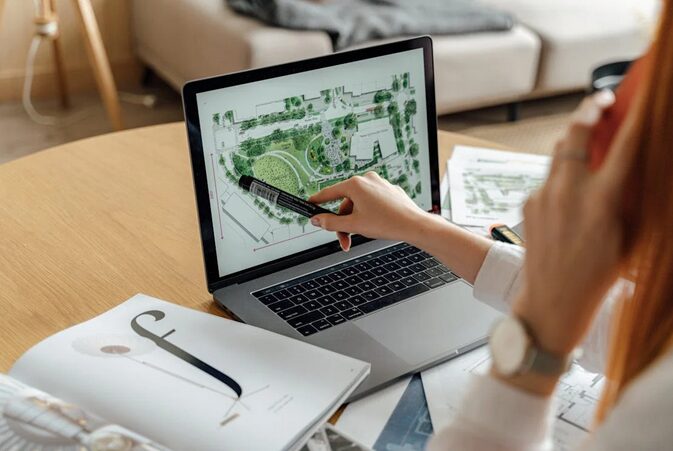
One of the most transformative changes comes from 3D modeling and visualization. Architects and developers can create lifelike digital models of projects before breaking ground. These tools allow teams to test layouts, refine design features, and present realistic visuals to investors and potential buyers, showing how a project will look and function. These models reduce uncertainty. They also create confidence among stakeholders and encourage smoother approval processes.
Streamlined Collaboration Platforms
Large-scale development requires seamless communication between architects, engineers, contractors, and investors. Digital collaboration platforms now provide shared spaces where documents, designs, and schedules can be updated instantly. Teams no longer have to rely on scattered emails or outdated blueprints. Everyone works from a single source of truth, which reduces errors and ensures accountability. This shared accessibility shortens timelines and improves overall project efficiency.
Smart Project Management Tools

Timelines and budgets are critical in real estate. Project management software has become indispensable in keeping both under control. These tools track progress, highlight potential delays, and provide alerts when budgets risk overruns. For developers, this means issues can be addressed before they escalate. The ability to monitor multiple aspects of a project in real time ensures smoother execution and reduces unnecessary financial strain.
Sustainable Planning With Digital Support
Sustainability has become a priority in modern development. Digital tools make it easier to incorporate eco-friendly designs and construction practices. Energy modeling software, for example, helps predict how buildings will perform once completed. Developers can make adjustments to reduce waste and improve efficiency. By planning with sustainability in mind, projects appeal to environmentally conscious buyers and align with regulations that demand greener construction. This approach highlights a unique advantage of digital adoption in an industry under pressure to evolve.
Virtual and Augmented Reality in Marketing
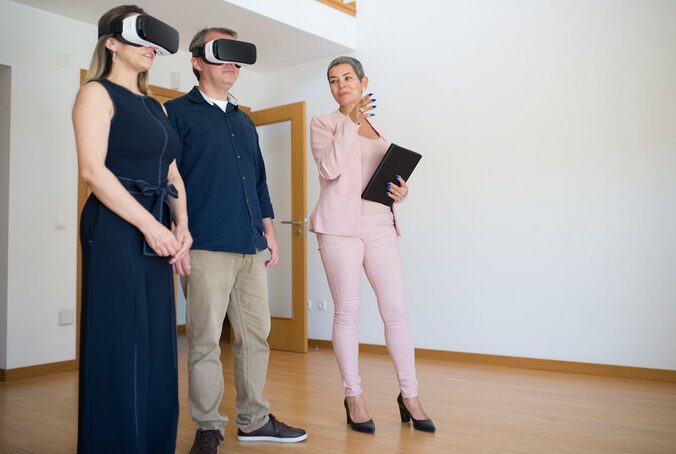
Beyond planning and construction, digital tools are changing how properties are marketed. Virtual and augmented reality allow potential buyers to tour spaces before they exist physically. This technology provides a sense of scale and design that brochures and flat images cannot. For international investors, VR offers the opportunity to explore developments without travel. These immersive experiences not only enhance marketing but also accelerate decision-making.
The integration of digital tools into real estate planning is not a passing trend. It is reshaping the industry from the ground up. As technologies advance, we will see even greater reliance on artificial intelligence, predictive analytics, and automation. These innovations will help developers anticipate market needs, reduce risks, and deliver projects with utmost efficiency. The future of real estate development is not only about constructing buildings. It is about constructing smarter, faster, and more sustainable environments with the help of digital intelligence.